History
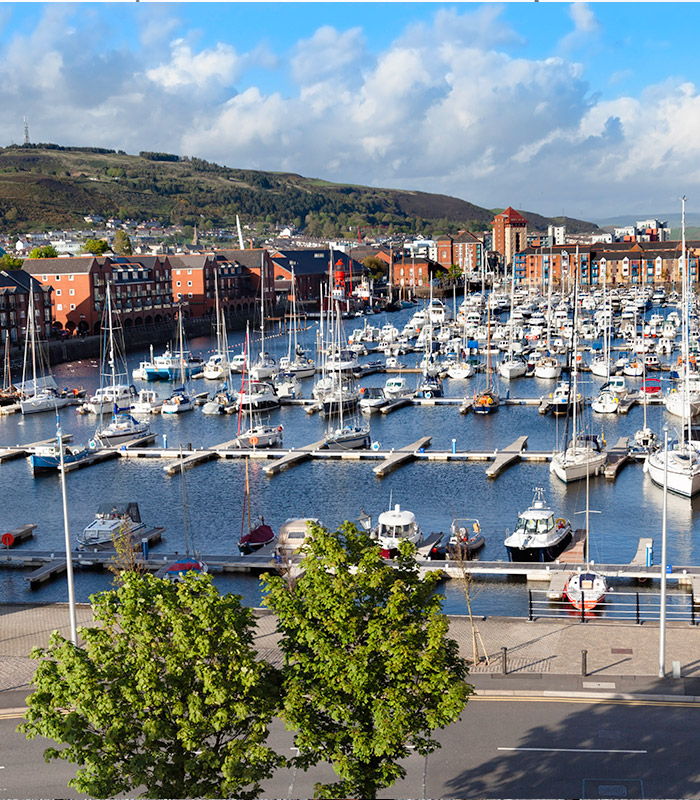
Swansea was founded in the early twelfth century and has been described by many as one of ‘the cradles of the industrial revolution’ due to its involvement in the smelting of copper during the nineteenth century. Utilising the local natural resources, knowledge, and finances Swansea quickly became the world centre for tinplate production. This industrialisation brought Swansea improved means of transport and urban growth.
People in Swansea utilised their natural resources, local knowledge, and finances to make themselves the world centre for tinplate production. This industrialisation brought Swansea improved means of transport and urban growth to the area.
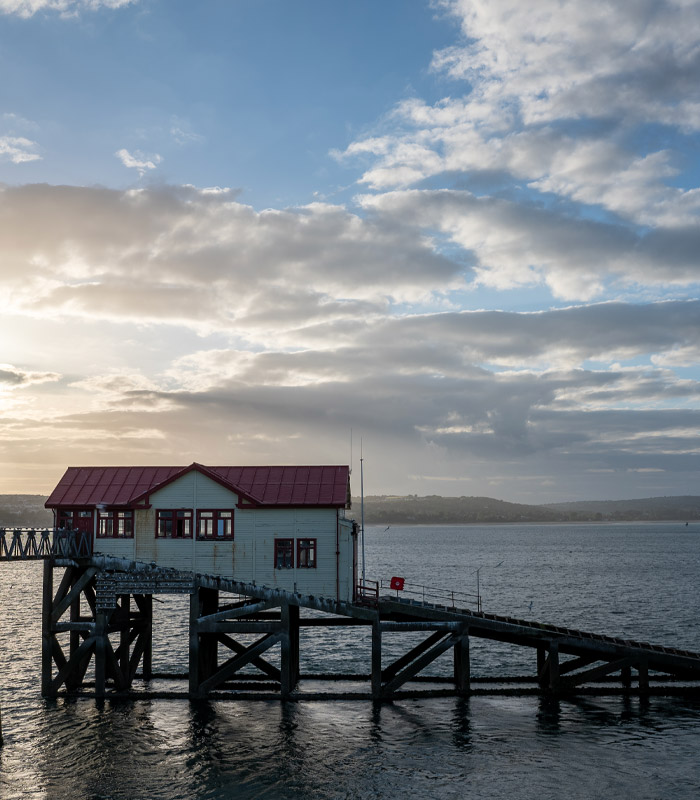
Swansea played host to the first ever railway in the world that regularly carried passengers in 1807. The Mumbles Railway was first built as an industrial horse-drawn tramway in 1804-5. The original line ran from Swansea to Oystermouth, then in the 1890s it was extended to run further to the newly built Mumbles Pier.
To learn more about the history of Swansea, visit the Swansea Museum website.
History of Neath
Neath takes its name from its location at the lowest crossing point of the river Neath (Need). The Romans established a fort in Neath which remained until the departure of the Roman forces in the fourth century.
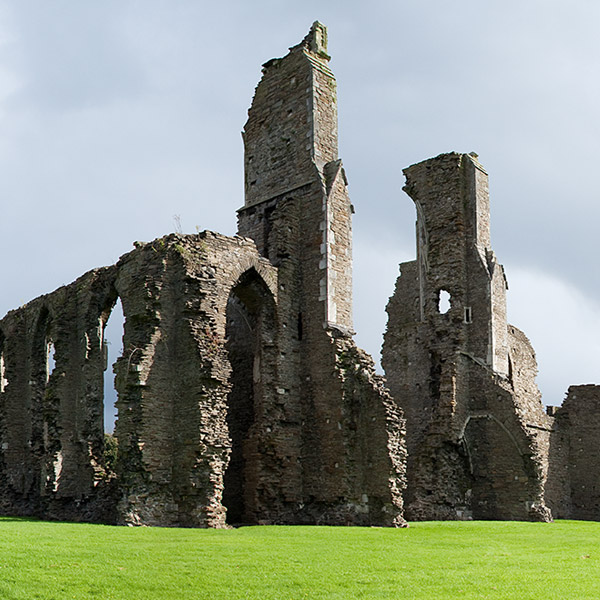
Two castles were founded in the area in the twelfth century. The first by Robert, Earl of Gloucester and the second by Richard de Glanville who later went on to establish Neath Abbey which housed around 50 monks and an even larger number of lay brothers. The abbey later went on to serve as an early copper works during the Industrial Revolution. Practically the entire layout of the original abbey and its buildings can still be seen today. Read more about Neath Abbey on the Cadw website.
Nature
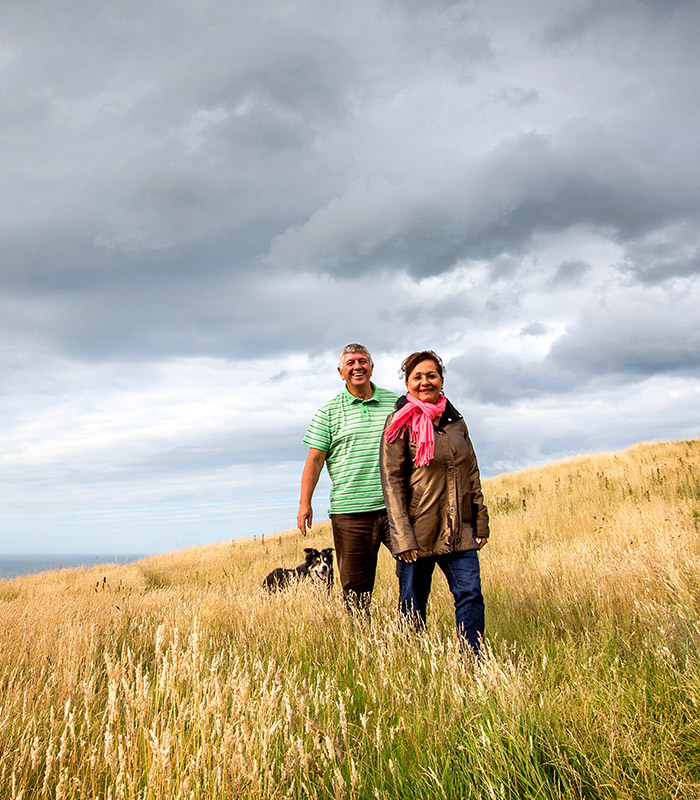
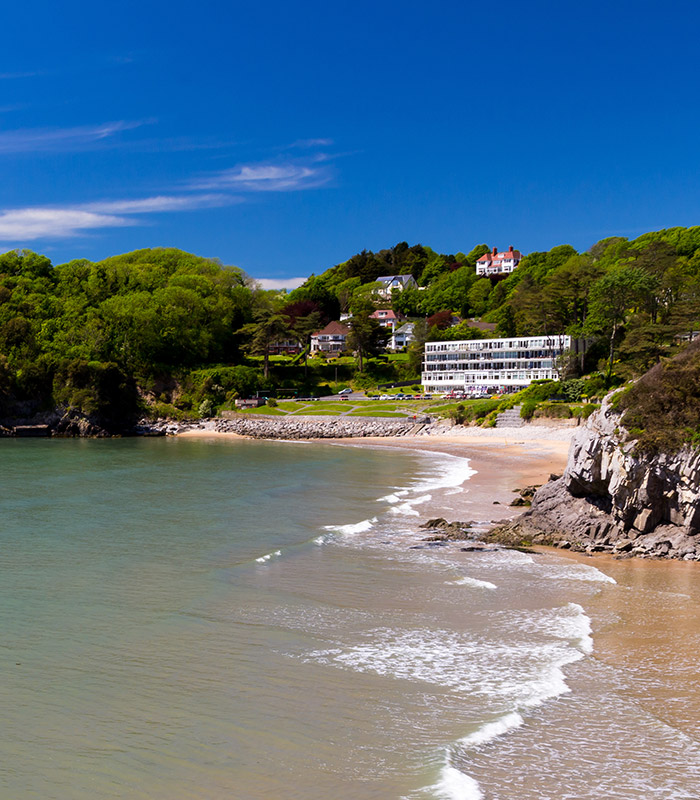
In Swansea you are spoilt for choice with the beautiful Greenland and breath-taking coastline. You will never be short of amazing views.
Nature in Swansea
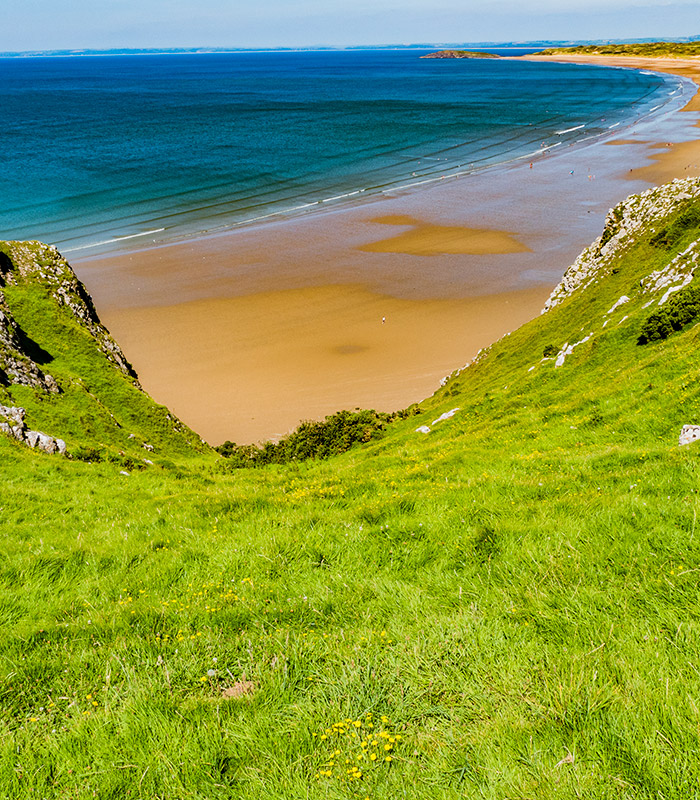
The National Trust takes care of the vast 26 miles of the Gower’s beloved coastline which includes much of the area around Rhossili. This includes the beautiful, award-winning beach, Rhossili Down, Worms Head and let’s not forget the spectacular Sunflowers.
Visit The National Trust website to read more about the beautiful area of Rhossili.
Nature in Neath
Neath plays host to the beautiful National Trust Aberdulais Falls. The industrial heritage of this area goes back to 1584 when copper was first manufactured. The water wheel at Aberdulais served as the source for Queen Elizabeth I’s copper works. Today, the site plays host to Europe’s largest electricity-generating water wheel, creating green energy which provides enough electricity for everything they use on site, not forgetting to mention how beautiful the waterfall is as a must-visit site.
Moving to the area

Education
Housing
Nature

Jobs
Transport
The Local Community